

Why trusted digital VAT return software brings clear, accurate results
Digital VAT return software has become the primary tool for businesses that want accurate VAT submissions without stress. HMRC expects clean records and numbers that match real activity, which means every return carries the risk of mistakes. Incorrect figures can lead to penalties, assessments, and delays, resulting in unnecessary costs.
Talk to our VAT experts
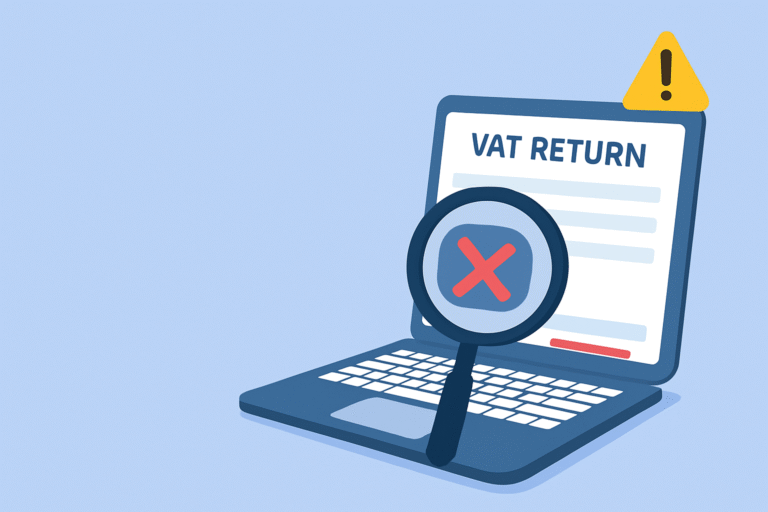
Software removes this pressure by identifying errors before a return reaches HMRC. This article explains how modern tools identify problems early and why businesses benefit from relying on software that checks data with precision.
Businesses need automated error detection
Digital VAT return software reduces manual work and minimises the risk of human errors. The more complex the transactions, the higher the probability of mismatches. Many businesses manage a mix of incomes, purchases from multiple suppliers, imports, reverse charge work, and digital services.
Each category has a different VAT treatment. When these details are entered manually, the risk of wrong coding grows. Automated systems track the rules and make sure every entry follows the VAT treatment that HMRC expects.
A robust digital system enables a business to maintain accurate digital records. HMRC expects consistent bookkeeping, and this expectation is likely to increase. When software detects problems early, the company gains control over its compliance and avoids the stress of manually checking every line of code.
How digital VAT return software detects wrong VAT rates
VAT rates are one of the most common sources of error. It is easy to apply the wrong rate when a business handles a mix of supplies. Digital tools compare each product or service with the expected rate and flag it when the number looks unusual.
- Goods are typically charged at the standard rate but entered as zero
- Services that should follow the reduced rate but are coded as exempt
- Items that change rate depending on use
- Reverse charge entries are missing the correct calculation
This prevents returns that show unrealistic VAT patterns. When the system highlights a mismatch, the user can fix it long before HMRC reviews the data.
How software confirms accurate VAT period totals
HMRC expects the numbers in each VAT return to match the digital records for that period. Issues often appear when entries are placed in the wrong month or quarter. When this happens, the VAT due will appear to be either too high or too low.
- Dates on invoices
- Frequency of transactions
- The period selected for the return
- Gaps that suggest missing records
- Late entries that fall outside the period
When the system identifies a date error, it suggests the correct period, ensuring the final return accurately reflects real activity. This helps the business keep complete consistency across quarters.
How software flags reverse charge mistakes
Reverse charge rules create confusion because suppliers do not charge VAT on their own. Businesses must calculate VAT themselves and record both output and input. A missed entry creates a mismatch that HMRC quickly notices.
- If the supplier is overseas
- If the service requires a reverse charge
- If the user forgot to post both sides of the entry
- If the VAT value does not match the net figure
These checks protect the business from underpaying or overpaying VAT due on international or specified domestic services.
How software detects unrealistic VAT patterns
HMRC uses data comparison to review the accuracy of every return. If a business suddenly reports lower sales or claims much higher input VAT than usual, the system recognises it as abnormal. Digital VAT return software uses similar logic.
- Sales trends compared with previous periods
- Average VAT reclaimed on purchases
- Sudden changes in business expenses
- Inconsistencies between output and input VAT
- Patterns that do not match the business sector
These internal controls help companies identify and prevent returns that appear irregular or suspicious. The software prompts the user to verify the figures before submitting them when they seem unusual.
How digital VAT return software prevents calculation errors
Manual work leads to incorrect totals. The system prevents this by recalculating each figure and comparing it with the expected VAT rate. This protects the return from arithmetic mistakes such as
- Totals that do not add up
- VAT amounts that do not match the net value
- Rounding problems
- Wrong conversions for imports
Even professional accountants use software for this reason. The system ensures each figure is accurate and consistent.
How software detects missing MTD requirements
MTD rules require complete digital records. Software checks that the business has
- A complete audit trail
- Proper digital links between data
- VAT records stored in the correct format
- Activity that matches the business type
If any requirement is missing, the system warns the user before submitting to HMRC. This protects the business from compliance issues that could lead to penalties.
Why this matters for businesses
Error detection is not only about avoiding penalties. It gives the business confidence that its financial data is reliable. Clean VAT records also improve cash flow because the business knows the real amount owed or reclaimed.
Commercial benefits include
- Fewer HMRC enquiries
- Smoother audits
- Lower risk of VAT adjustments
- Faster filing with less stress
- Improved accuracy for long-term financial planning
Businesses that rely on strong software reduce time spent correcting past mistakes. This leaves more time for actual work.
Why digital VAT tools support better decision making
Accurate VAT data gives a clearer view of profit. When VAT entries are correct, the business can trust reports that show performance, spending and the cost of supplies. Digital VAT return software utilises error checks to facilitate more accurate forecasting and budgeting.
A business that avoids misposted entries gains a more realistic view of its expenses. When VAT patterns make sense, the company can plan growth with confidence.
Why choosing the right software matters
Not all tools offer strong error detection. Businesses require software that accommodates various transaction types, complex VAT rules, and everyday bookkeeping tasks. A good system should
- Check entries automatically
- Update in line with HMRC requirements
- Give clear prompts when a mistake appears
- Support both complex and straightforward VAT needs
- File returns directly through secure HMRC systems
VAT filing software protects the business from unexpected VAT bills. When the tool checks errors before filing, the user saves time and avoids stress.
Final thoughts
Digital VAT return software helps businesses avoid costly VAT mistakes before they reach HMRC. It checks VAT rates, patterns, dates and totals with accuracy that manual work cannot match. These checks protect businesses from penalties, delays and unnecessary risk. The right software provides clear guidance, enabling the company to file with confidence.
Frequently Asked Questions:
Your Questions – Answered ,We’re here to help you with anything VAT-related.
1. How does digital VAT return software reduce errors before filing?
Digital VAT return software monitors every entry as you work and checks it against VAT rules. It reviews the VAT rate, date, type of transaction, and whether the record matches patterns from previous periods. When something appears unusual, the system displays a clear warning, allowing you to correct it before filing.
It also checks missing invoices, duplicate entries, misposted items, and reverse charge mistakes. These are the issues HMRC often questions. Once the software highlights a problem, you can fix the original record, which keeps your digital links clean.
This reduces stress during filing because you know the return is based on consistent data. The software handles the heavy checking in the background, saving time for businesses with numerous transactions. The result is a return that looks accurate, complete, and compliant before it reaches HMRC.
2. Why do businesses prefer software over manual VAT calculations?
Manual VAT work is time-consuming and increases the likelihood of miscalculations. A small error in totals or an incorrect VAT rate can significantly alter the entire return. Businesses prefer digital VAT return software because it reduces this pressure.
It calculates VAT based on the correct rate, automatically checks totals, and ensures that the numbers match the digital records for the period. This matters for compliance because HMRC expects accurate digital links with no manual editing. Software also helps businesses manage busy periods by keeping all records organised.
When you update transactions daily, the system automatically builds a clear audit trail with minimal effort. This means you can trust the final figures without needing to check every line manually. Most businesses feel more confident filing through software because it prevents unexpected adjustments later.
3. How does the software help with reverse charge VAT checks?
Reverse charge VAT rules can be confusing for many users because suppliers don’t charge VAT on their invoices. The buyer must record both output and input VAT. Digital VAT return software helps by identifying when a supplier is overseas or when a service falls under reverse charge rules.
It checks whether the entry includes both sides of the VAT posting and whether the calculation matches the net amount. If one side is missing, the system immediately highlights it. This avoids returns that show incomplete VAT on international purchases or specified domestic services.
Frequent delays can also raise compliance concerns, leading HMRC to review your filings more closely. To avoid penalties, freelancers should use approved MTD software, set reminders, maintain up-to-date records, and review their figures well in advance of the quarterly deadline.
4. Does digital VAT return software help with MTD compliance?
Yes, digital VAT return software plays a crucial role in meeting the MTD rules. Businesses require comprehensive digital records with accurate links between transactions and totals. The software automatically maintains these links as you add invoices, receipts, and adjustments.
It also checks whether required information is missing, such as invoice dates, VAT amounts, supplier details, or audit trails. If something important is incomplete, the system alerts you before you file the return. This protects the business from penalties linked to missing MTD elements.
Since the return is submitted directly through HMRC’s secure system, the data transfer stays compliant. The software reduces the need for manual spreadsheets, which often break digital link rules. By keeping everything connected, the business remains aligned with HMRC standards without extra work.
5. How does digital VAT return software improve accuracy during busy periods?
Busy periods lead to rushed entries, late invoices, and occasional mistakes. Digital VAT return software helps manage this by checking each transaction as soon as it is added. It looks for gaps, duplicates, unusual patterns, and date errors that often slip through when staff are under pressure.
If something appears incorrect, the software highlights it before the records accumulate. This saves hours of manual checking at the end of the quarter. It also keeps the business aware of its VAT position throughout the period, which supports better cash planning.
When the return deadline arrives, the company does not face a lengthy review process because most issues have already been corrected. This improves accuracy and reduces the risk of filing a return that triggers HMRC questions.